Archives
- 2026-03
- 2026-02
- 2026-01
- 2025-12
- 2025-11
- 2025-10
- 2025-09
- 2025-04
- 2025-03
- 2025-02
- 2025-01
- 2024-12
- 2024-11
- 2024-10
- 2024-09
- 2024-08
- 2024-07
- 2024-06
- 2024-05
- 2024-04
- 2024-03
- 2024-02
- 2024-01
- 2023-12
- 2023-11
- 2023-10
- 2023-09
- 2023-08
- 2023-07
- 2023-06
- 2023-05
- 2023-04
- 2023-03
- 2023-02
- 2023-01
- 2022-12
- 2022-11
- 2022-10
- 2022-09
- 2022-08
- 2022-07
- 2022-06
- 2022-05
- 2022-04
- 2022-03
- 2022-02
- 2022-01
- 2021-12
- 2021-11
- 2021-10
- 2021-09
- 2021-08
- 2021-07
- 2021-06
- 2021-05
- 2021-04
- 2021-03
- 2021-02
- 2021-01
- 2020-12
- 2020-11
- 2020-10
- 2020-09
- 2020-08
- 2020-07
- 2020-06
- 2020-05
- 2020-04
- 2020-03
- 2020-02
- 2020-01
- 2019-12
- 2019-11
- 2019-10
- 2019-09
- 2019-08
- 2019-07
- 2019-06
- 2019-05
- 2019-04
- 2018-11
- 2018-10
- 2018-07
-
Upon LPS stimulation ERK and STAT signaling pathways were
2022-01-12
Upon LPS stimulation, ERK and STAT3 signaling pathways were activated in a time-dependent manner, and the phosphorylation of Y705 occurred later than that of S727 (Supplementary Fig. S5B). STAT3 is known to be phosphorylated on serine 727 (S727) by the mitogen-activated protein (MAP) kinase pathway
-
The biological function of NPRA
2022-01-12
The biological function of NPRA is demonstrated primarily through the ANP/BNP-dependent GC catalytic activity of the receptor and the production of cGMP, which is regulated by several factors, including hormones, growth factors, physiological milieu, and the ligand itself [26,34,[36], [37], [38], [3
-
br Conclusion and prospect Small GTPases are
2022-01-12

5. Conclusion and prospect Small GTPases are very important regulatory proteins of eukaryotes. They play crucial regulatory function in various movement processes of organism [75], [76], [77]. Different nanoparticles used to investigate the interaction with small GTPases inside HQNO have been su
-
Another important question is what ligand
2022-01-12
Another important question is what ligand(s) bind to GPR84 in vivo? Previous studies have identified medium-chain FFAs of 9 to 14 carbons in length and two other organic molecules (6-n-octylaminouracil and 3,3′-diindolylmethane) as agonists of GPR84 in vitro (Wang et al., 2006, Suzuki et al., 2013).
-
Calcium mobilization FLIPR assay CHO K cells
2022-01-12
Calcium mobilization (FLIPR) assay: CHO-K1 cells expressing an NFAT-β-lactamase reporter and the promiscuous Gα-subunit Gqi5 were stably transfected with either empty vector (pCDNA3.1, Invitrogen) or vector expressing HA-GPR81, GPR109A or GPR109B. Cells were seeded at 10,000cells/well in 384-well cu
-
Our synthetic approach to GPR antagonists
2022-01-12
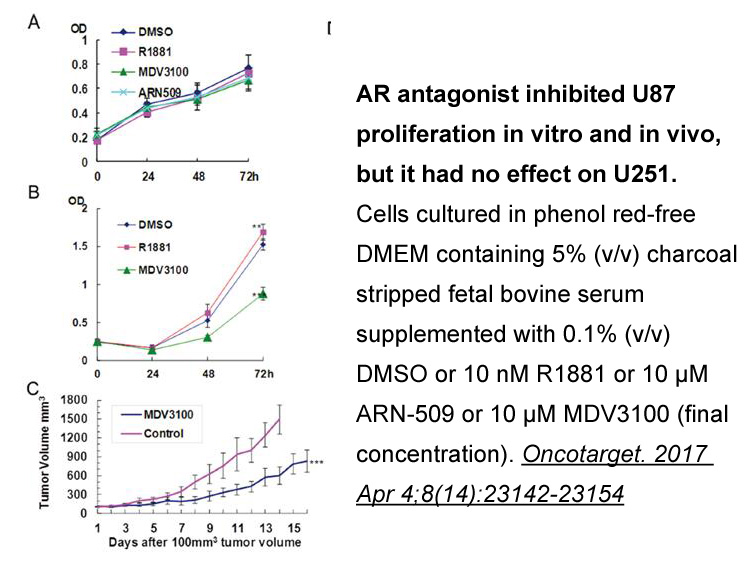
Our synthetic approach to GPR55 antagonists was designed so that many different structures could be accessed to rapidly explore initial SAR, along with validating or modifying our current model (). The synthesis begins with the coupling of a carboxylic Oligomycin A to 4-piperidone by first forming t
-
br Lysophosphatidylinositol LPI LPI is a subspecies of lysop
2022-01-12
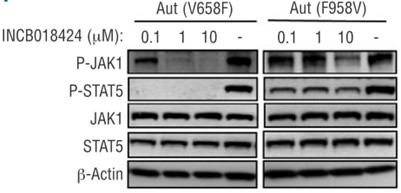
Lysophosphatidylinositol (LPI) LPI is a subspecies of lysophospholipid consisting of inositol as its head group, one glycerol molecule and one acyl chain (Piñeiro and Falasca, 2012). The biosynthesis of this lipid starts from Phosphatidylinositol (PI) and is catalysed by the enzymes phospholipase
-
Previously we reported that the inhibition of PKC and PKC
2022-01-12

Previously, we reported that the inhibition of PKC-ζ and PKC-ε activity in hypertrophic adipocytes had deleterious effects on EPA-induced GPR120-mediated VEGF-A production [12]. However, the activation of PKC-θ, -ζ and -λ can also enhance the phosphorylation of IKK and p65, and facilitate the transl
-
br Clinical development of anti NASH drug therapies The curr
2022-01-12
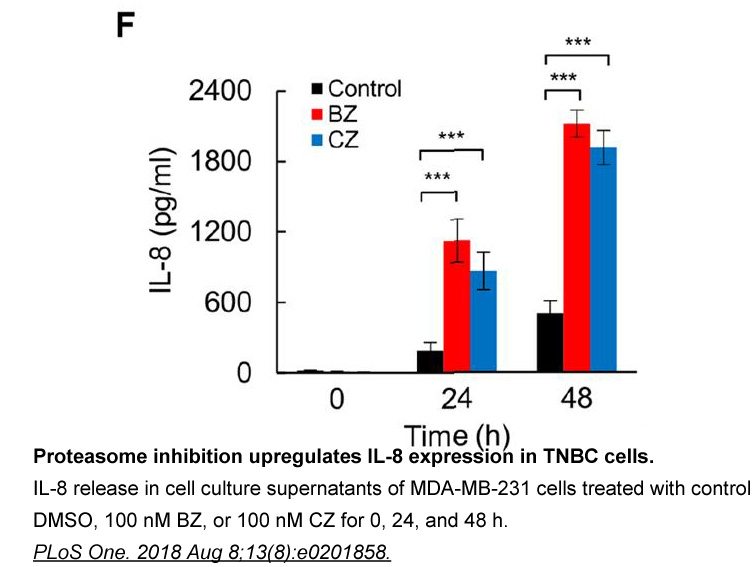
Clinical development of anti-NASH drug therapies The current understanding of NASH pathogenesis has led to broad efforts to target several features of the disease, alone or in combination, even in the absence of liver-guided therapies. Therefore, drug development in NASH is a rapidly changing fie
-
Glycine regulates several brain functions and glycine transp
2022-01-12
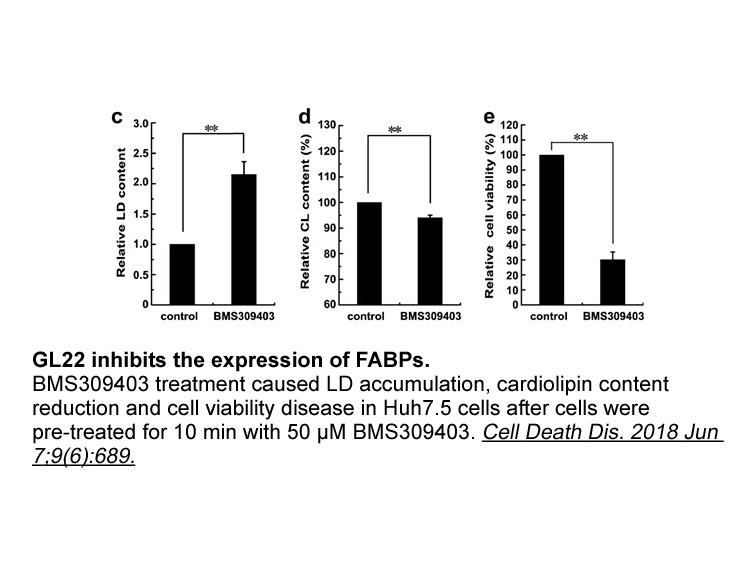
Glycine regulates several brain functions and glycine transporters significantly contribute in such processes. In previous work we reported calpain sensitive regions in N-terminal domains of GlyT1a and GlyT1b (Baliova and Jursky, 2005). Here we show that distal part of glycine transporter GlyT1C-ter
-
The observed increase in macroscopic conductance could be
2022-01-11
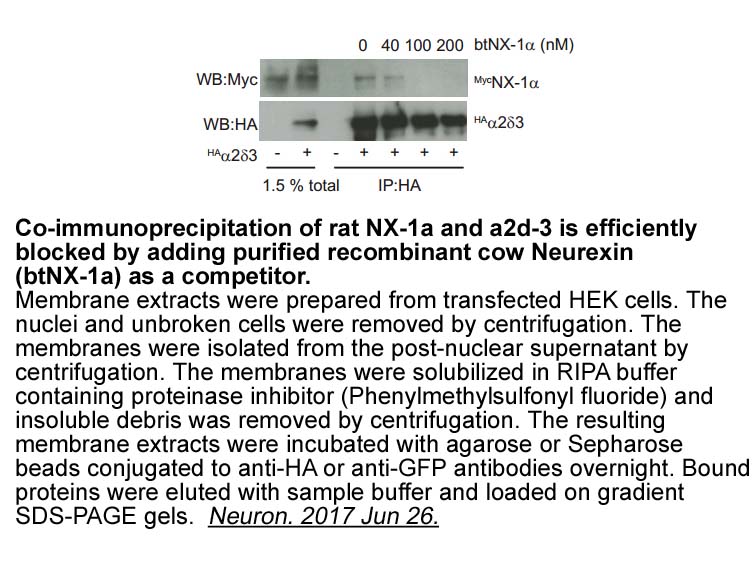
The observed increase in macroscopic conductance could be due to a left shift in the open state probability vs. voltage curve for the high-activity state causing an increase in the open state probability at all potentials. However, an increase of the apparent single channel conductance cannot be ent
-
Encouraged by the observation obtained from region A we
2022-01-11
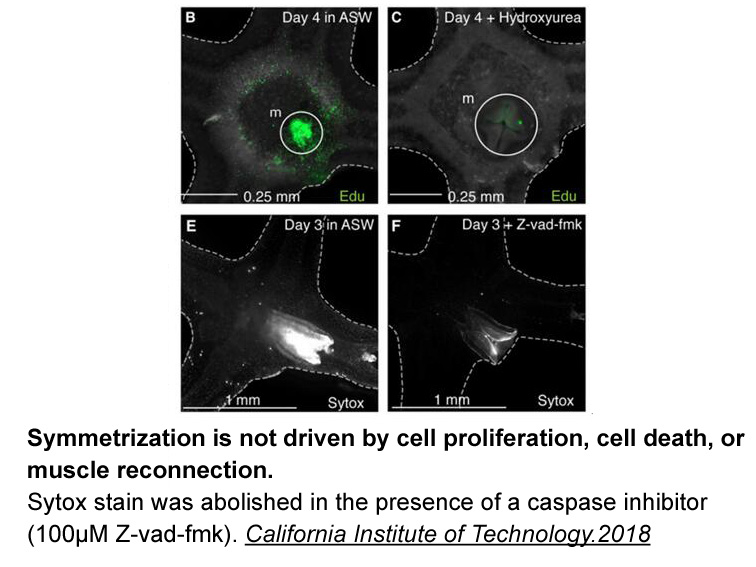
Encouraged by the observation obtained from region A, we selected the structure of 1 as the next template to successively pursue the SAR on regions B-D of 1 (lower side of Fig. 2). Next, we turned attention to the external aromatic ring of 1 to verify the impact on the antagonistic activity and prep
-
FDP is considered as key intermediate in the isoprenoid bios
2022-01-11
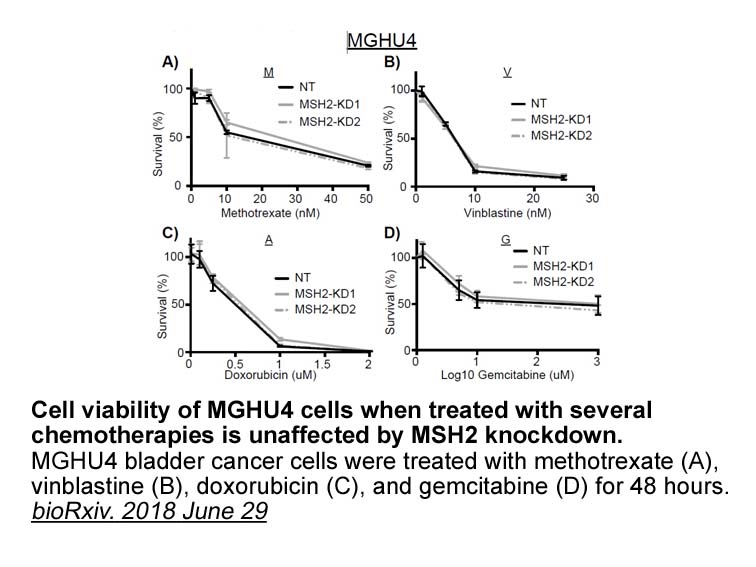
FDP is considered as key intermediate in the isoprenoid biosynthetic pathway, since it is the common precursor of polyisoprene units and farnesylated proteins (Cao et al., 2012). In order to understand the role of FDP gene in rubber-producing plants it is of critical importance to read the article
-
Recently the toxicity of TBT was
2022-01-11
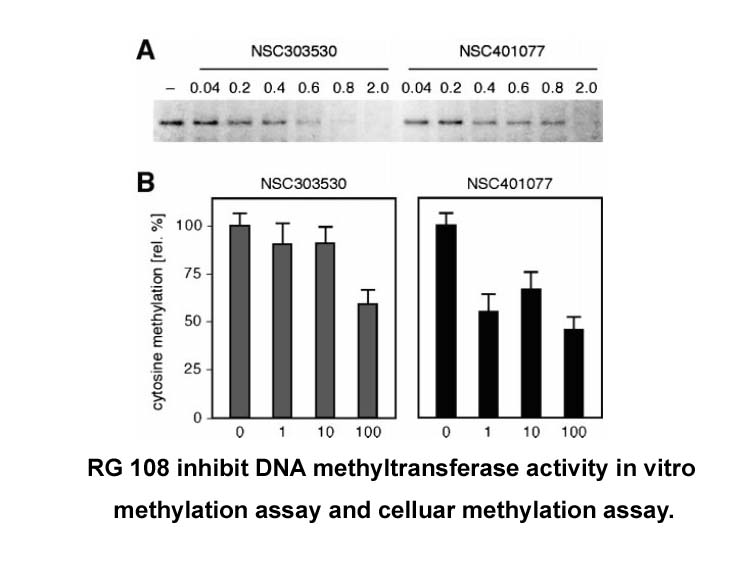
Recently, the toxicity of TBT was demonstrated at the vascular level in animal models (Nath, 2008), and the results obtained so far suggest that TBT may be a potential risk factor for cardiovascular diseases. TBT is capable to alter the coronary vascular reactivity to estradiol (dos Santos et al., 2
-
Fig C presents the secondary structure arrangement of
2022-01-11

Fig. 1(C) presents the secondary structure arrangement of the PAS-A and PAS-B domains in both HIF-2α and ARNT. The common scaffold of the PAS domains is a β sheet with numerous flanking α helixes. The PAS-A domains of both HIF-2α and ARNT have A’α, Aβ, Bβ, Cα, Dα, Eα, Fα, Gβ, Hβ, and Iβ from the N t
16448 records 536/1097 page Previous Next First page 上5页 536537538539540 下5页 Last page