Archives
- 2026-03
- 2026-02
- 2026-01
- 2025-12
- 2025-11
- 2025-10
- 2025-09
- 2025-04
- 2025-03
- 2025-02
- 2025-01
- 2024-12
- 2024-11
- 2024-10
- 2024-09
- 2024-08
- 2024-07
- 2024-06
- 2024-05
- 2024-04
- 2024-03
- 2024-02
- 2024-01
- 2023-12
- 2023-11
- 2023-10
- 2023-09
- 2023-08
- 2023-07
- 2023-06
- 2023-05
- 2023-04
- 2023-03
- 2023-02
- 2023-01
- 2022-12
- 2022-11
- 2022-10
- 2022-09
- 2022-08
- 2022-07
- 2022-06
- 2022-05
- 2022-04
- 2022-03
- 2022-02
- 2022-01
- 2021-12
- 2021-11
- 2021-10
- 2021-09
- 2021-08
- 2021-07
- 2021-06
- 2021-05
- 2021-04
- 2021-03
- 2021-02
- 2021-01
- 2020-12
- 2020-11
- 2020-10
- 2020-09
- 2020-08
- 2020-07
- 2020-06
- 2020-05
- 2020-04
- 2020-03
- 2020-02
- 2020-01
- 2019-12
- 2019-11
- 2019-10
- 2019-09
- 2019-08
- 2019-07
- 2019-06
- 2019-05
- 2019-04
- 2018-11
- 2018-10
- 2018-07
-
In general cellular senescence is considered
2020-01-14
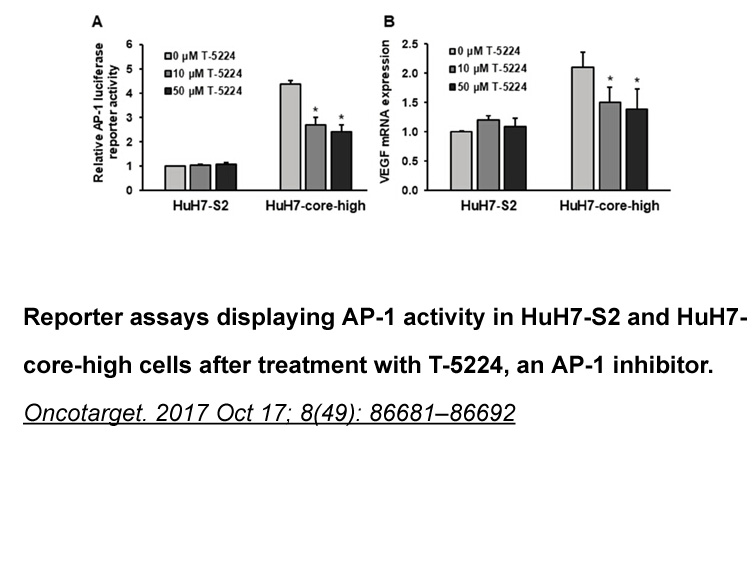
In general, cellular senescence is considered a programmed response to stress that can be activated by oxidative stress, irradiation or action of substances or drugs. These stressors cause DNA damage and, through the action of specific proteins (p53 and p21), lead to cell senescence (di Fagagna, 200
-
Targeting both PARP and DHODH for anti
2020-01-13
Targeting both PARP-1 and DHODH for anti-cancer therapy would certainly be beneficial as these enzymes share a common role in the DNA replication and repair mechanisms which are involved in the hyper-proliferation of cancer cells. Since benzimidazole-containing compounds have been reported to show g
-
br Additional CDKs with a role in cancer br Small
2020-01-13
Additional CDKs with a role in cancer Small molecule CDK inhibitors The majority of protein kinase inhibitors developed to date are type I inhibitors: they bind at the ATP–binding site, are ATP-competitive and target the kinase in its active state; with the activation loop DFG motif in the ‘in
-
br Materials and methods br Results br
2020-01-13
Materials and methods Results Discussion This study is the first to our knowledge that describes upstream cis-elements and transcription factors that are important for Crm1 expression and that drive its high expression in cancer and transformed cells. Using deletion and mutation analysis we
-
Based on the above we hypothesized that a PROTAC
2020-01-13

Based on the above, we hypothesized that a PROTAC strategy would be effective to induce CK2 protein degradation. Herein reported is an approach for the preparation of novel PROTACs via “click reaction” for degradation of CK2 protein (Fig. 2). Importantly, “click reaction” is a very facile, selective
-
Even minor alterations in the surfactants structure could
2020-01-13
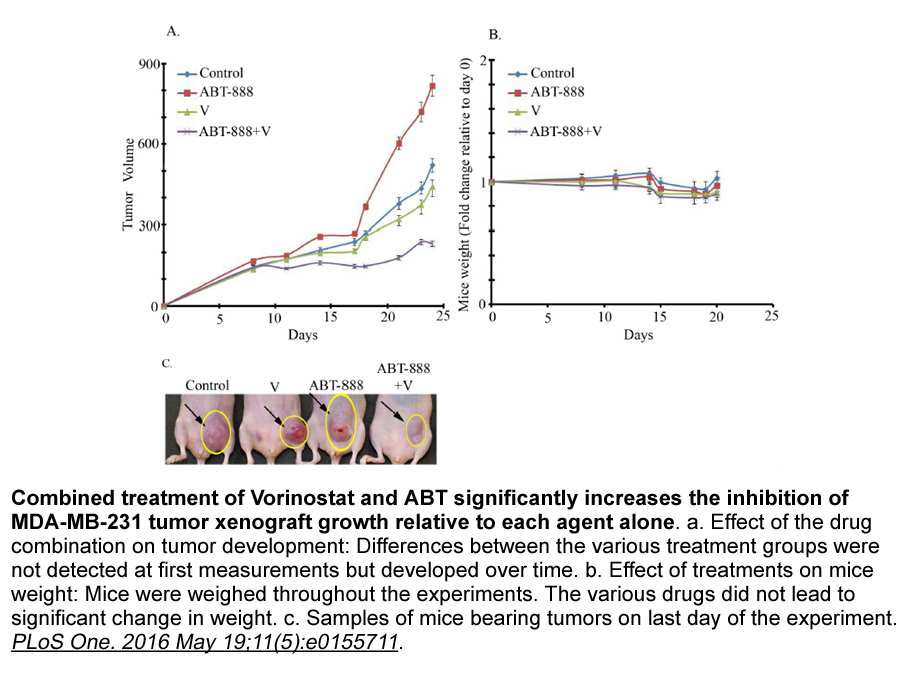
Even minor alterations in the surfactants structure could have consequences on their physico-chemical characteristics; mono-RLs have less solubility, stronger surfaces sorb, and stronger cationic metals binding than homologue di-RLs (Zhang et al., 1997). The HPLC separation of RLs structure is base
-
The presence of a vicious
2020-01-13

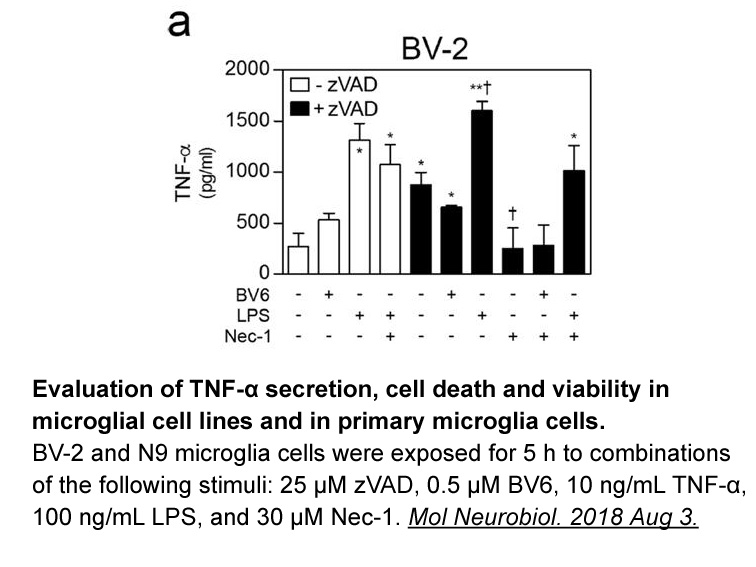
The presence of a “vicious cycle” established between tumor proliferation and paratumor osteolysis plays a crucial role in the development of primary bone tumors [53]. Cancer cells produce soluble factors that activate directly or indirectly via osteoblasts, osteoclast differentiation and maturation
-
kinase inhibitors br Material and methods br Results and dis
2020-01-13
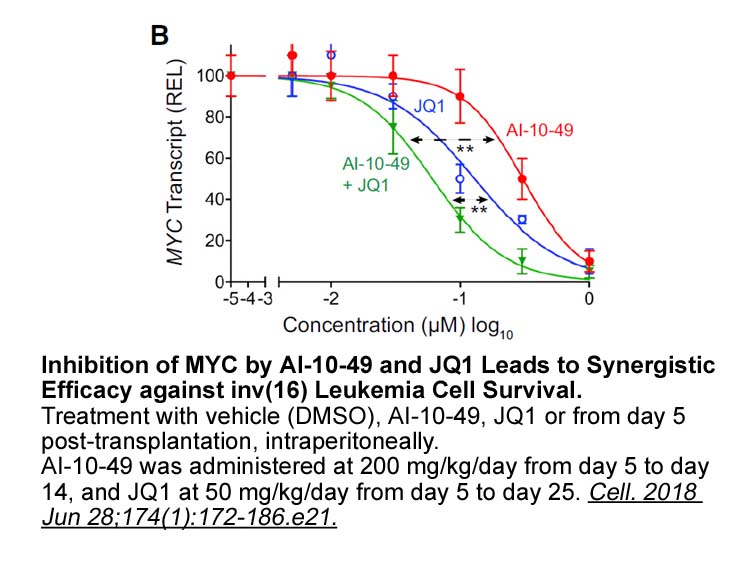
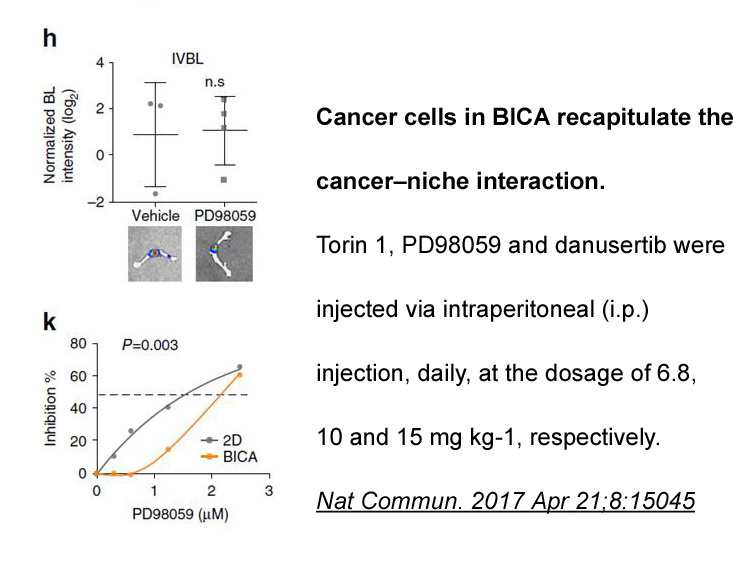
Material and methods Results and discussion Conclusion The gene encoding the Bos taurus muscle enolase enzyme was successfully isolated and cloned in this study. Optimization of the cloning, gene kinase inhibitors and purification was performed and protein elution at 95% purity was achieve
-
Our previous work has demonstrated that two
2020-01-13
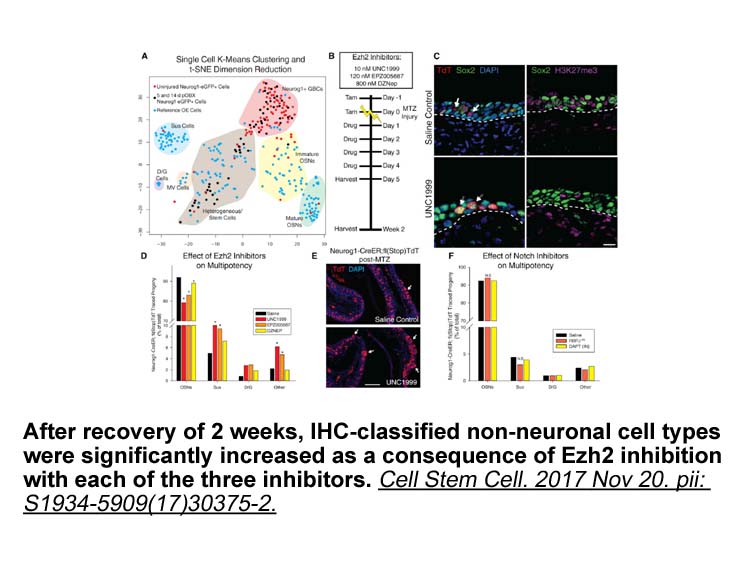
Our previous work has demonstrated that two glutamate residues (Glu-305 and Glu-331 in murine and human TPP II) in the active site are important for exopeptidase activity in mTPP II [17]. At least one of these, Glu-331, seems to form a salt bridge to the N-terminal amino group of the substrate, posi
-
Finally we assessed the utility of
2020-01-13
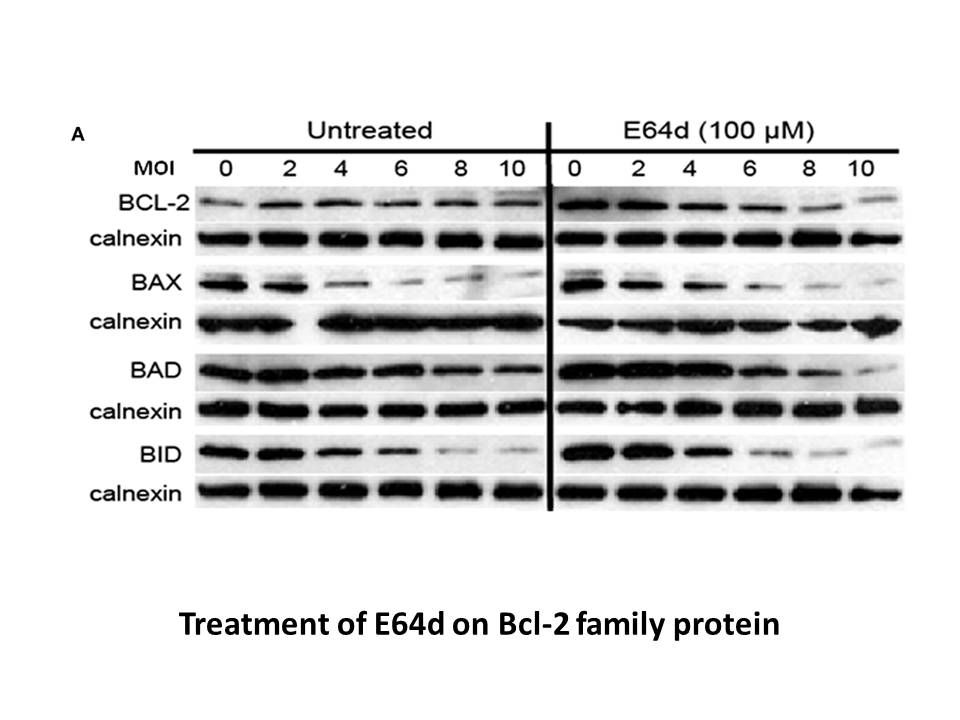
Finally, we assessed the utility of monitoring cfDNA in terms of predicting disease progression earlier than radiological progression. These patients may have a chance to receive subsequent chemotherapy before worsening symptoms. Although the number of the patients who experienced progression was re
-
br Conclusion br Introduction br CRL E
2020-01-13
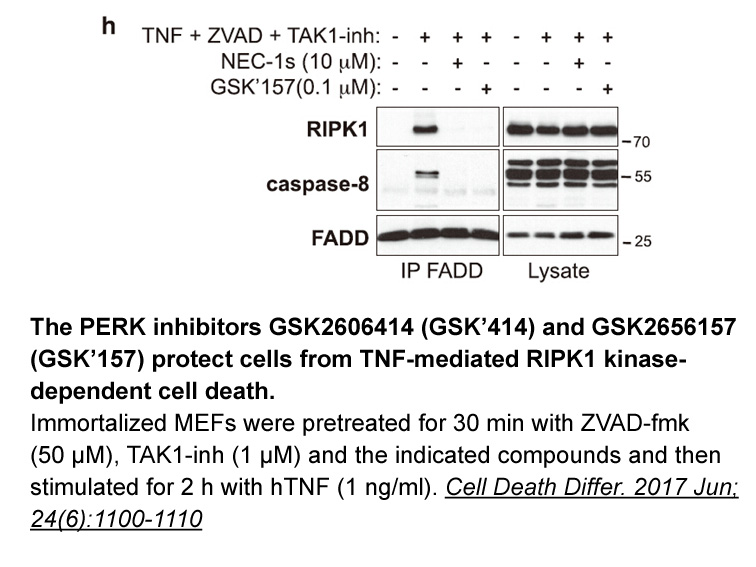
Conclusion Introduction CRL4 E3 ligases in tumorigenesis Small molecule-based PROTACs PROTAC: Major biological impacts Acknowledgements The authors sincerely apologize to all those colleagues whose important work was not cited in this paper owing to space limitations. They thank th
-
br A brief history of RBR E s RBR
2020-01-13
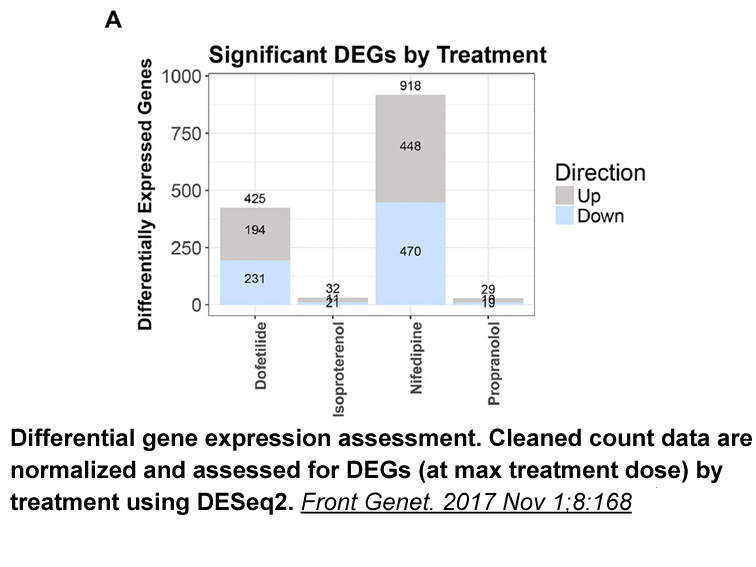
A brief history of RBR E3s RBR E3s were originally defined based on sequence alignments that predicted a tripartite motif of three zinc (Zn)-binding domains: two RING domains (RING1 and RING2) connected via an in-between-RING (IBR) domain [28], [29]. The prediction together with initial observati
-
For example nM MTX markedly stimulates the differentiation
2020-01-13
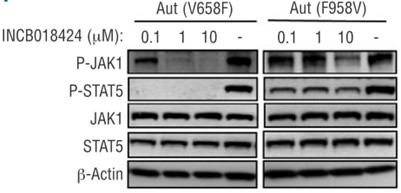
For example, 200nM MTX markedly stimulates the differentiation of the monocytic U937 Fumagillin receptor [39], but only 10nM MTX is sufficient for the inhibition of clonogenicity in the ALL and APL cell lines [22]. Furthermore, an even lower concentration of MTX (2nM) selectively induces the express
-
br Proteases with special focus on cysteine proteases br
2020-01-13
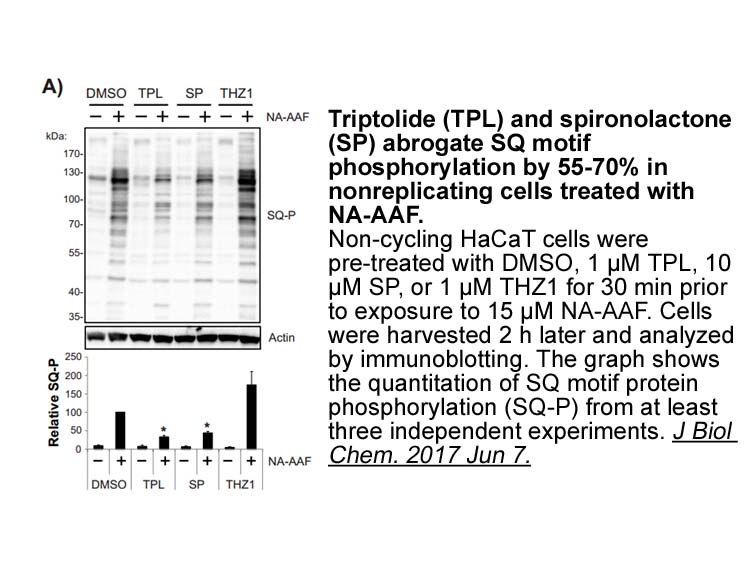
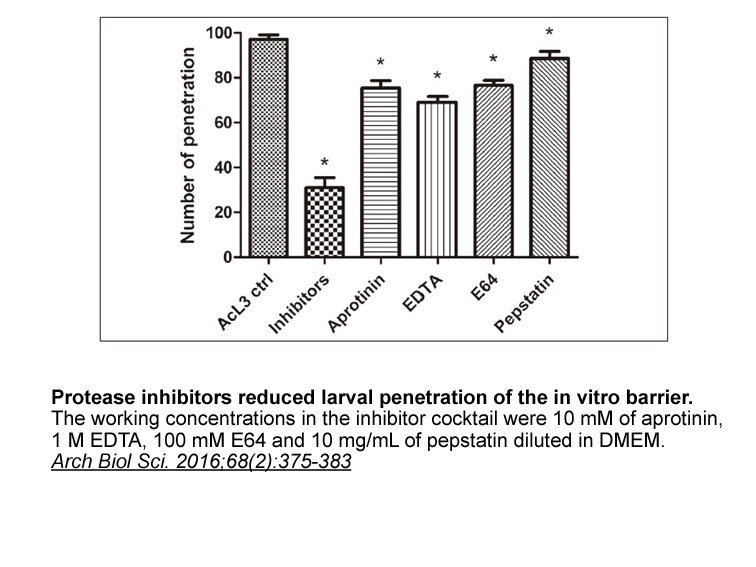
Proteases with special focus on cysteine proteases Vaccination using cysteine proteases as antigens with special emphasis on DNA-vaccines Concluding remarks In spite of the great potential of DNA vaccines, the technology has not been as revolutionary as expected in higher mammals. In fish,
-
Each of the CYP enzymes alluded to above are
2020-01-13

Each of the CYP450 enzymes alluded to above are highly selective catalysts, in that, the three aryl coupling reactions en route the biosynthesis of 1 are catalyzed by three different CYP450 enzymes in a sequential manner (Fig. 1). In sharp Capecitabine is the recently described marine bacterial CYP
16439 records 919/1096 page Previous Next First page 上5页 916917918919920 下5页 Last page