Archives
- 2026-03
- 2026-02
- 2026-01
- 2025-12
- 2025-11
- 2025-10
- 2025-09
- 2025-04
- 2025-03
- 2025-02
- 2025-01
- 2024-12
- 2024-11
- 2024-10
- 2024-09
- 2024-08
- 2024-07
- 2024-06
- 2024-05
- 2024-04
- 2024-03
- 2024-02
- 2024-01
- 2023-12
- 2023-11
- 2023-10
- 2023-09
- 2023-08
- 2023-07
- 2023-06
- 2023-05
- 2023-04
- 2023-03
- 2023-02
- 2023-01
- 2022-12
- 2022-11
- 2022-10
- 2022-09
- 2022-08
- 2022-07
- 2022-06
- 2022-05
- 2022-04
- 2022-03
- 2022-02
- 2022-01
- 2021-12
- 2021-11
- 2021-10
- 2021-09
- 2021-08
- 2021-07
- 2021-06
- 2021-05
- 2021-04
- 2021-03
- 2021-02
- 2021-01
- 2020-12
- 2020-11
- 2020-10
- 2020-09
- 2020-08
- 2020-07
- 2020-06
- 2020-05
- 2020-04
- 2020-03
- 2020-02
- 2020-01
- 2019-12
- 2019-11
- 2019-10
- 2019-09
- 2019-08
- 2019-07
- 2019-06
- 2019-05
- 2019-04
- 2018-11
- 2018-10
- 2018-07
-
Based on the above we
2020-01-09
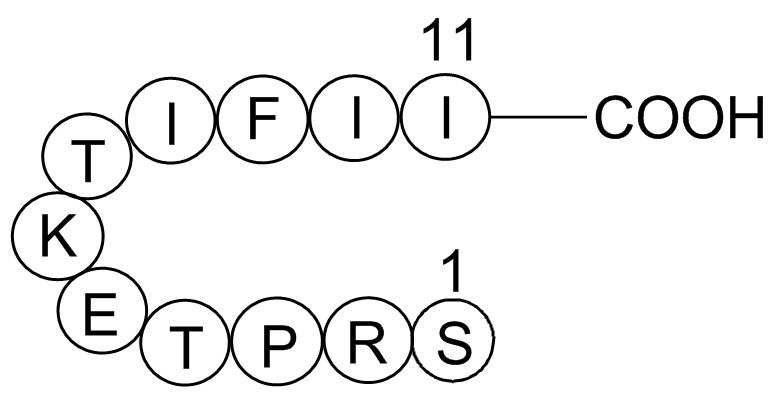
Based on the above, we hypothesized that a PROTAC strategy would be effective to induce CK2 protein degradation. Herein reported is an approach for the preparation of novel PROTACs via “click reaction” for degradation of CK2 protein (Fig. 2). Importantly, “click reaction” is a very facile, selective
-
The possibility of harm with DPP inhibitors in patients with
2020-01-09
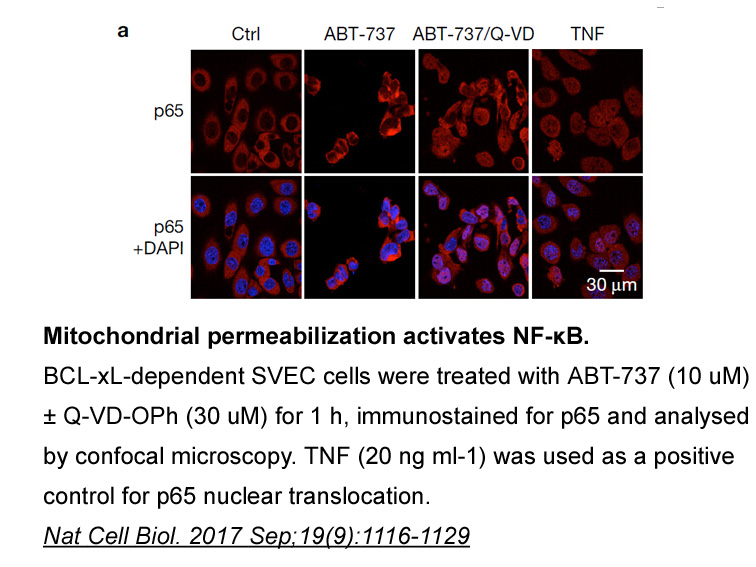
The possibility of harm with DPP-4 inhibitors in patients with clinically overt heart failure has been recently highlighted by the results of the VIVIDD (Vildagliptin in Ventricular Dysfunction Diabetes) trial (68), the only trial to date that has been designed to evaluate the effects of a DPP-4 in
-
Altogether the results of this study demonstrate
2020-01-09
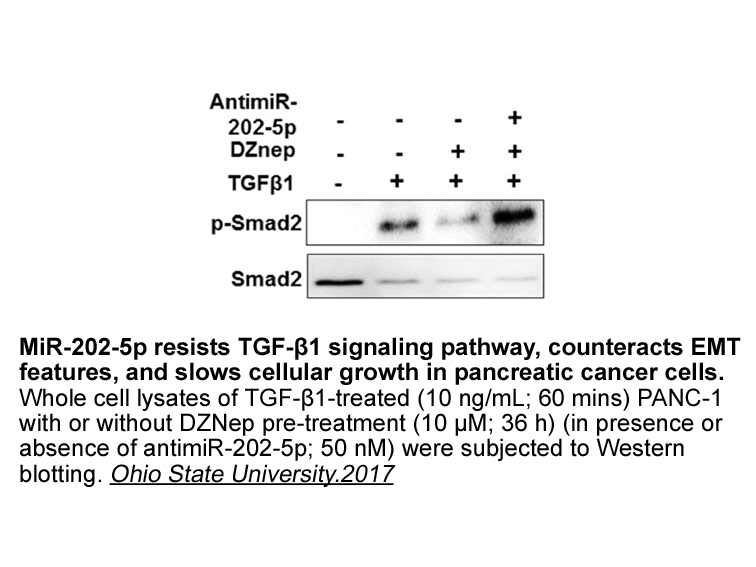
Altogether, the results of this study demonstrate that peripheral blockade of both ETA and ETB receptors reduces tumor-induced facial heat hyperalgesia and increased spontaneous grooming, without modifying ongoing nociception. It is possible to suggest that bosentan is acting upon both receptors pre
-
amikacin sulfate br Acknowledgment This work was supported b
2020-01-09
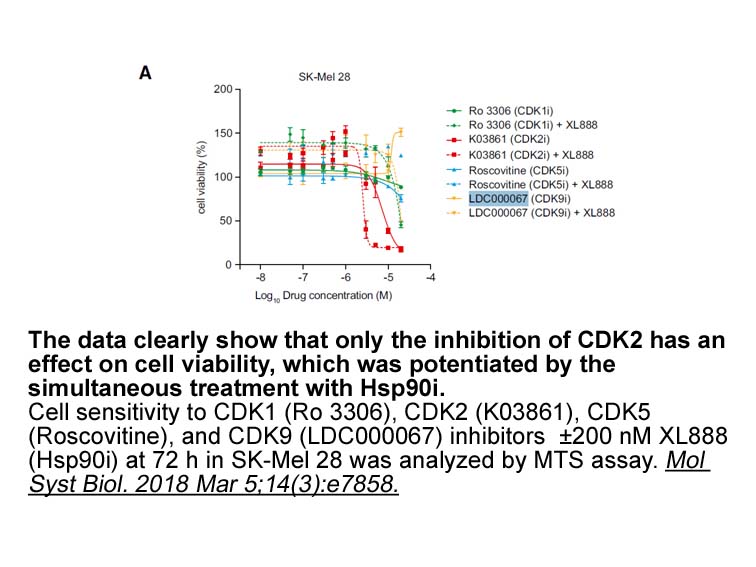
Acknowledgment This work was supported by the Estonian Science Foundation (Grant ETF8862). Introduction In higher eukaryotes ionizing-radiation (IR) induced DNA double-strand breaks (DSB) are primarily repaired by the non-homologous end joining (NHEJ) pathway [1]. Ku, a heterodimeric protein
-
DGK negatively regulated the extension of long axon neurite
2020-01-09
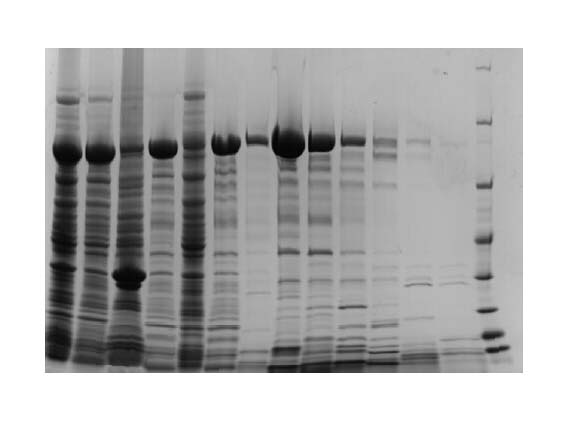
DGKδ negatively regulated the extension of long axon/neurite (Fig. 4, Fig. 5, Fig. 6). The results strongly suggest that deficiency of DGKδ induces OCD-like behavior by enhancing axon/neurite outgrowth. DGKδ positively regulates growth factor signaling (Crotty et al., 2006). Therefore, DGKδ deficien
-
br Contributors br Acknowledgements br Introduction
2020-01-09
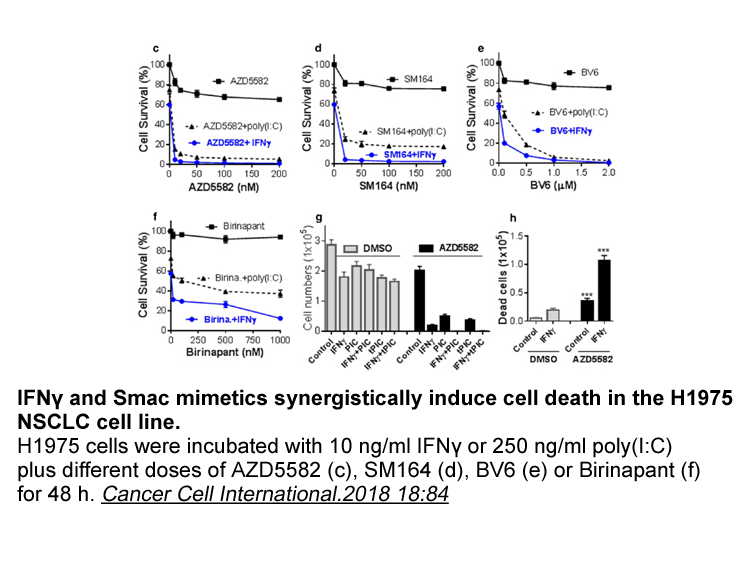
Contributors Acknowledgements Introduction Pemphigus disorders are characterized by autoantibodies binding to desmosomes between epidermal cells, resulting in the loss of cell to cell adhesion and blister formation. In pemphigus foliaceus, autoantibodies predominantly bind to desmoglein 1,
-
Furthermore our sample preparation uses a simple isolation p
2020-01-09
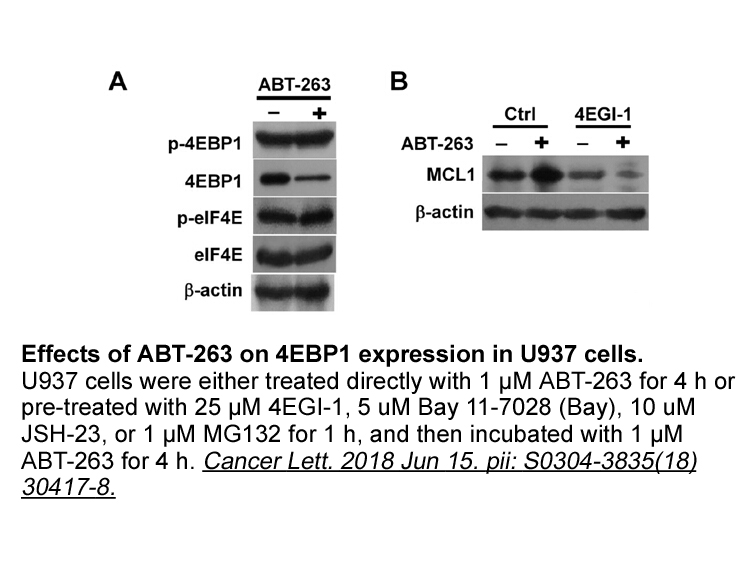
Furthermore, our sample preparation uses a simple isolation procedure. Numerous CYP450 phenotyping methods employed extensive extraction procedures for sample preparation such as dual liquid extraction or solid phase extraction which are costly and time consuming [10], [17], [18], [19], [20], [23],
-
Agglutinin like sequence ALS gene
2020-01-09
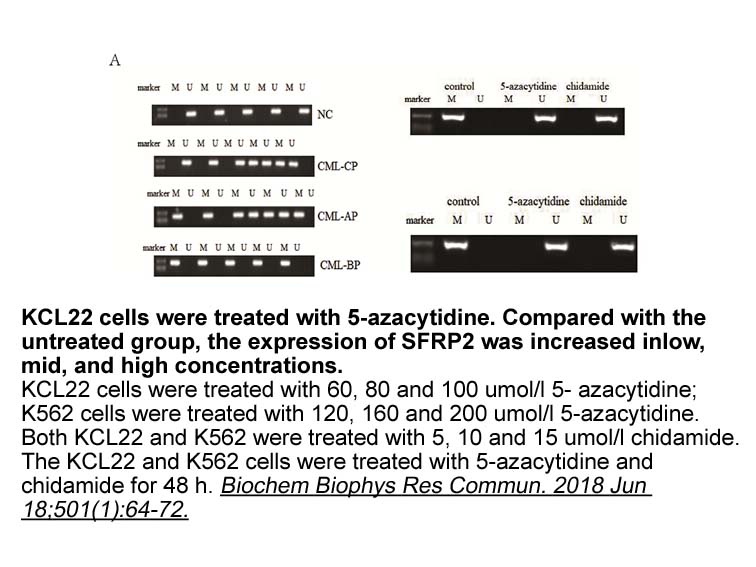
Agglutinin-like sequence (ALS) gene is well-characterized gene family in candidiasis due to its importance in pathogenicity of C albicans. Previously, C. albicans ALS1 gene product was reported as cell surface protein that mediates adherence to endothelial and epithelial mu opioid receptor antagonis
-
So far few studies have been conducted
2020-01-09
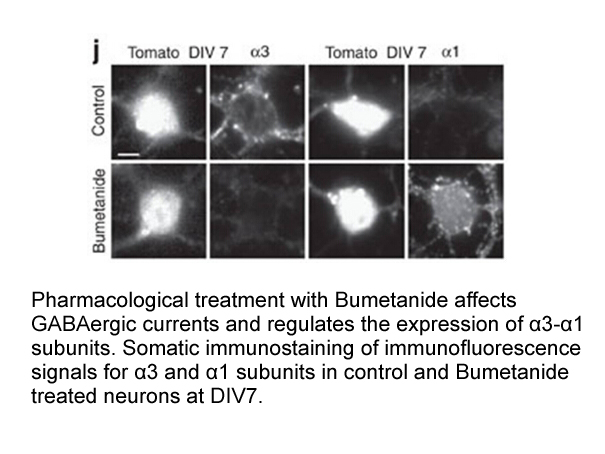
So far few studies have been conducted on the role of chemokines in patients with PTSD and avoidant personality disorders. Ogłodek et al. [10] in her studies found an increase in the level of the chemokine CCL-5 in patients with avoidant personality disorder and general anxiety disorder (GAD) as com
-
Kifunensine br Conclusions br Acknowledgements This work was
2020-01-09

Conclusions Acknowledgements This work was supported by funding from the Natural Sciences and Engineering Research Council of Canada (RGPIN-2017-06346 to JB), National Institute of Child Health and Human Development (5R01HD083930-02 to JB), and the National Institute of Biomedical Imaging and
-
br Materials and methods br Results br Discussion
2020-01-09
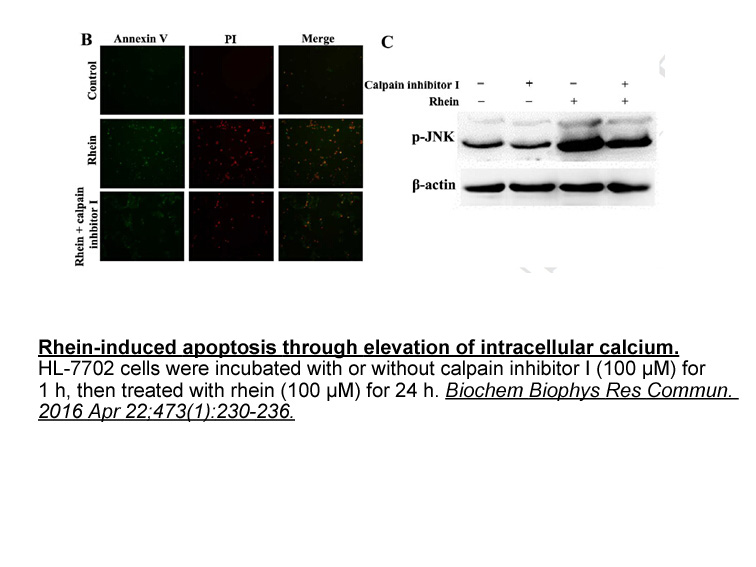
Materials and methods Results Discussion DNA-PKcs and the Ku heterodimer (Ku70 and Ku80) constitute the DNA-PK complex, which is a serine/threonine kinase. DNA-PK phosphorylates H2AX and other substrates, such as main NHEJ factors (Artemis, XRCC4, and DNA ligase IV) [4]. Therefore, DNA-PK d
-
Db model cells showed various aberrant phenotypes that seeme
2020-01-09
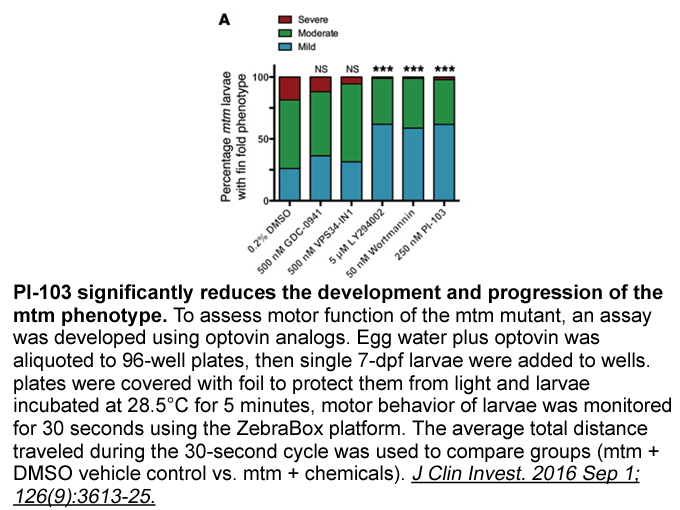
Db model cells showed various aberrant phenotypes that seemed to reflect the pathological abnormalities found under diabetic conditions. First, in Db model cells after insulin stimulation, we found the inhibition of the transcriptional repression of the gluconeogenic genes, PCK1 and G6PC, and aberra
-
Many studies have found that there is an aberrant DNA
2020-01-09
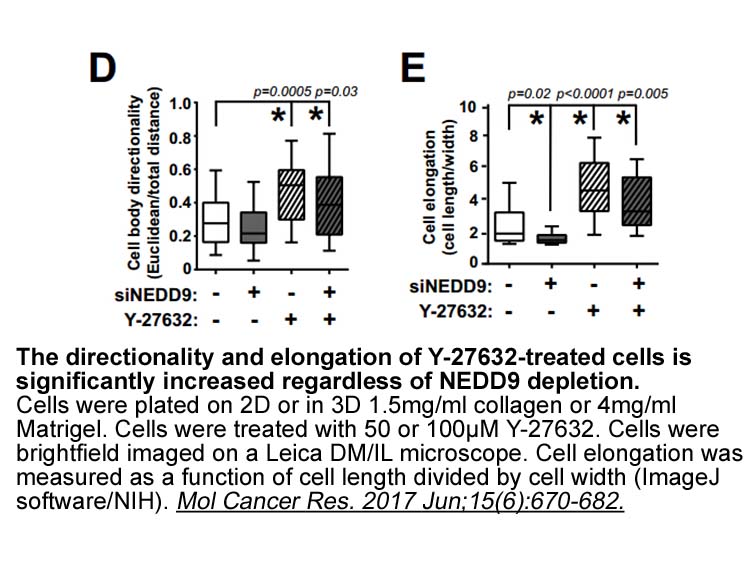
Many studies have found that there is an aberrant DNA methylation in the imprinting control region of development-related genes in the spermatozoa of oligozoospermic men (Kobayashi et al, 2007, Marques et al, 2004, Marques et al, 2008), which most likely results from expressional changes in the DNMT
-
In general the DNMT encompass three different
2020-01-09
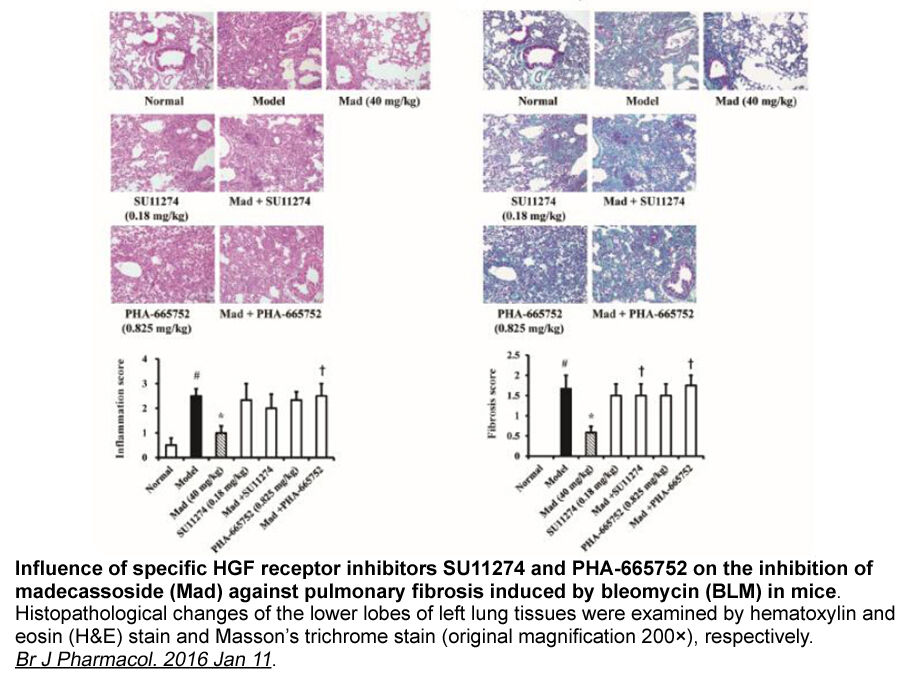
In general, the DNMT encompass three different structural regions: N-terminal regulatory domain, C-terminal catalytic domain and a central linker region (). The N-terminal regulatory domain is particularly implicated in determining subcellular localization of the DNMT and in allocating unmethylated
-
AMPK is a master regulator
2020-01-08
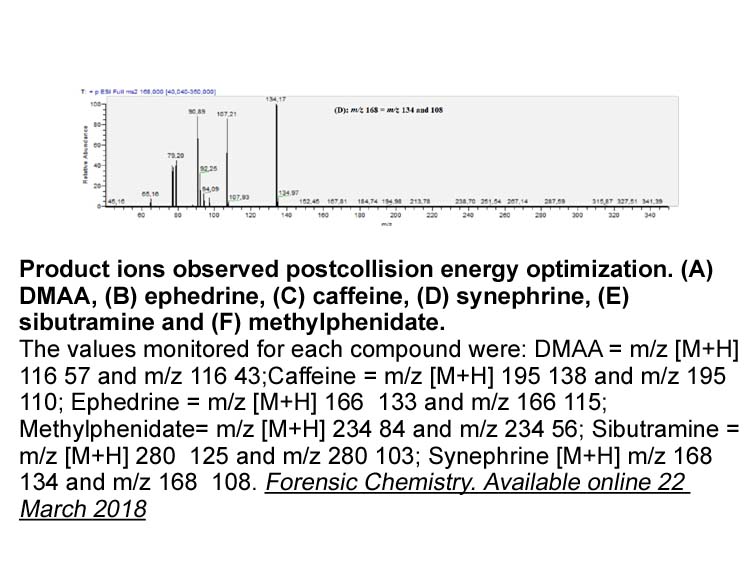
AMPK is a master regulator of metabolic homeostasis, its broad spectrum of metabolic activities makes it an attractive target for treatment of metabolic and related disorders including Diabetes and Obesity (Madhavi et al., 2018). It controls lipid metabolism through its target genes PPAR-γ, C/EBP-α
16439 records 922/1096 page Previous Next First page 上5页 921922923924925 下5页 Last page